
 EN
EN
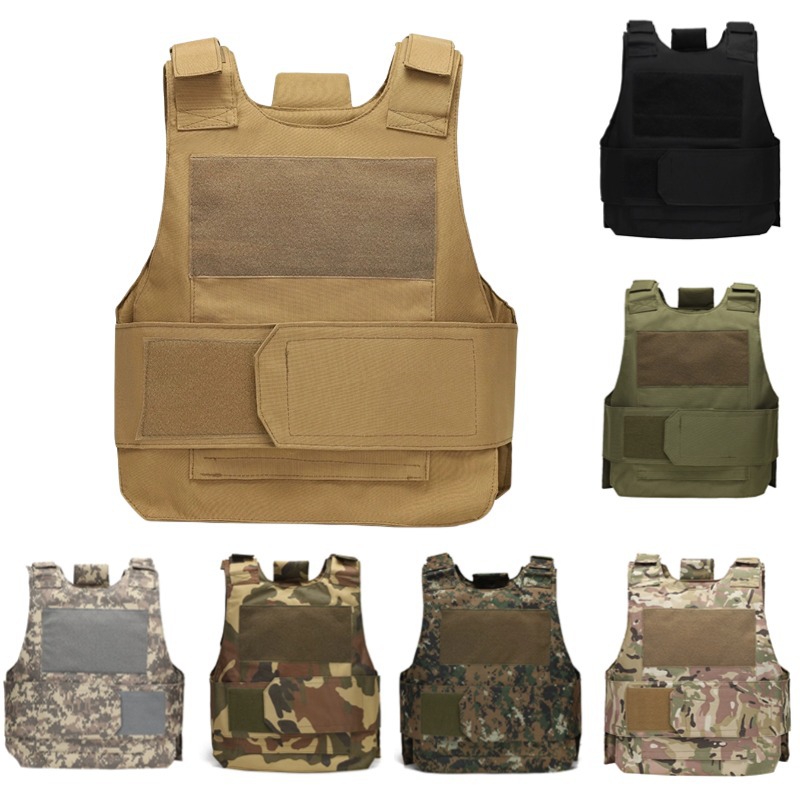
An armor function comparison starts with a simple truth: a vest built to stop a bullet may do little against a knife, and the reverse holds too. The sections below map the structural differences so a specifier chooses by threat rather than by appearance.
Why an Armor Function Comparison Matters
Where an Armor Function Comparison Begins
An armor function comparison begins with the threat model, because the weapon decides the material. A correctional officer facing improvised edged blades needs a different defense than a patrol deputy exposed to handgun fire. Mixing the two leads to a panel that performs against the wrong danger. The comparison must state the documented risk first, then test the build against it, rather than assuming one vest covers every scenario a shift might present. A wrong call in a prison wing or a street stop carries consequences no budget line survives, which is why the comparison opens with the threat, not the catalog.
Threat Models Differ by Design
Edged-blade, spike, and ballistic threats load the fabric in opposite ways. A knife concentrates force on a line; a bullet delivers a blunt, high-speed impact. An armor function comparison that ignores this distinction produces a vest rated for the hazard the buyer never faces. NIJ 0115.00 addresses stab and spike, while NIJ 0101.06 addresses bullets, and the two protocols never substitute for each other in practice. A spike tool, common in riots, pierces where a blade might glance, so the comparison must name spike resistance separately rather than lump it under a vague stab rating.
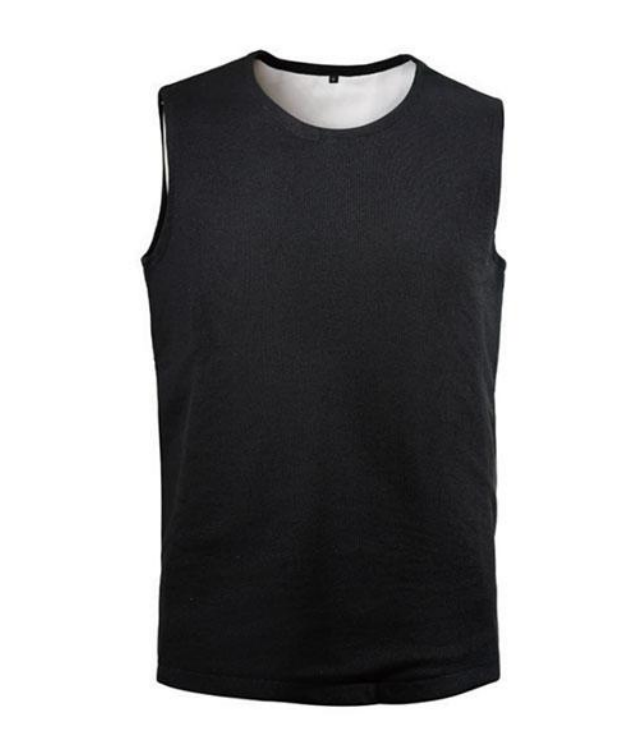
How the Two Vests Are Built
Stab Resistance Comes from Chainmail and Layers
Stab-resistant vests rely on chainmail, laminate, or tightly woven aramid engineered to catch and spread a blade's point. The goal is to stop penetration at a defined energy, measured under NIJ 0115.00 with edged and spike probes. An armor function comparison shows these vests stay flexible and light because they need no hard plate, which suits close-contact roles where mobility matters more than rifle defense.
Ballistic Resistance Comes from Aramid and Rigid Plates
Ballistic vests use aramid or UHMWPE layers that catch a projectile through fiber deceleration, often backed by a rigid plate for rifle rounds. The build is thicker and heavier because it must absorb far more energy. An armor function comparison makes clear that a soft ballistic panel excels against handguns yet adds little against a determined stabbing motion, which is why corrections facilities rarely issue it alone. UHMWPE builds weigh less than aramid for the same stop but cost more, a trade the comparison should weigh against the wearer's shift length and climate.
Specifying the Right Protection
Match the Threat, Not the Price
A buyer should request the certificate that matches the documented danger and read the tested threat, not the marketing tier. An armor function comparison framed around price misses the point, because the cheaper vest may simply cover a different hazard. ISO quality systems support the paperwork, but the protection level comes from the specific standard the panel passed under controlled conditions.
Inspection and Certification Checks
Check the serial, the certifier, and the threat class before issue, and recheck after any impact. An armor function comparison is useless if the delivered lot cannot be traced to the tested model. Document the inspection so retirement follows condition, not guesswork. A vest with an unverifiable certificate belongs in quarantine until the maker supplies the lot record.
An armor function comparison protects a budget and a life only when it respects the threat first. The structural gaps between stab and ballistic builds are not minor tweaks but opposite engineering answers. State the risk, verify the standard, and the wearer gets the panel that actually matches the danger faced.
Frequently Asked Questions
Can a ballistic vest stop a knife?
Soft ballistic panels are not built for edged threats and may let a determined stab penetrate. An armor function comparison clarifies that blade energy behaves differently from bullet energy. For knife risk, a stab-resistant vest rated under NIJ 0115.00 is the correct choice, not a handgun panel worn alone.
What does NIJ 0115.00 cover?
NIJ 0115.00 tests resistance to edged blades and spikes at defined energies, assigning levels based on the force stopped. It does not address bullets. A vest marked only to this standard offers no proof against gunfire, so pair it with the right role and threat assessment.
Are stab vests heavier than ballistic ones?
Stab-resistant vests are usually lighter and more flexible because they lack rigid plates, favoring mobility in close contact. Ballistic vests, especially rifle-rated builds, add weight through aramid layers and plates. The comparison favors stab gear for agility and ballistic gear for high-energy impact protection.
Can one vest cover both threats?
Combined vests exist, layering stab and ballistic protection in one carrier, but they cost more and weigh more. They suit roles facing both knife and firearm risk. The trade is bulk, so specify them only where the documented threat truly includes both, rather than as a default for every post.
How is penetration tested?
Edged and spike probes strike the panel at set energies, and any breach past a depth limit fails the sample. Ballistic testing fires conditioned rounds and measures penetration plus backface deformation. The two methods never substitute, which is why the comparison must name the protocol, not just the vest type.
Do these vests expire?
Both types age with UV, moisture, and folding, and makers assign a service life. Inspect for hard spots or creases and store flat and cool. A vest past its condition check leaves service regardless of the date, and the inspection log supports that decision for the agency.