
 EN
EN
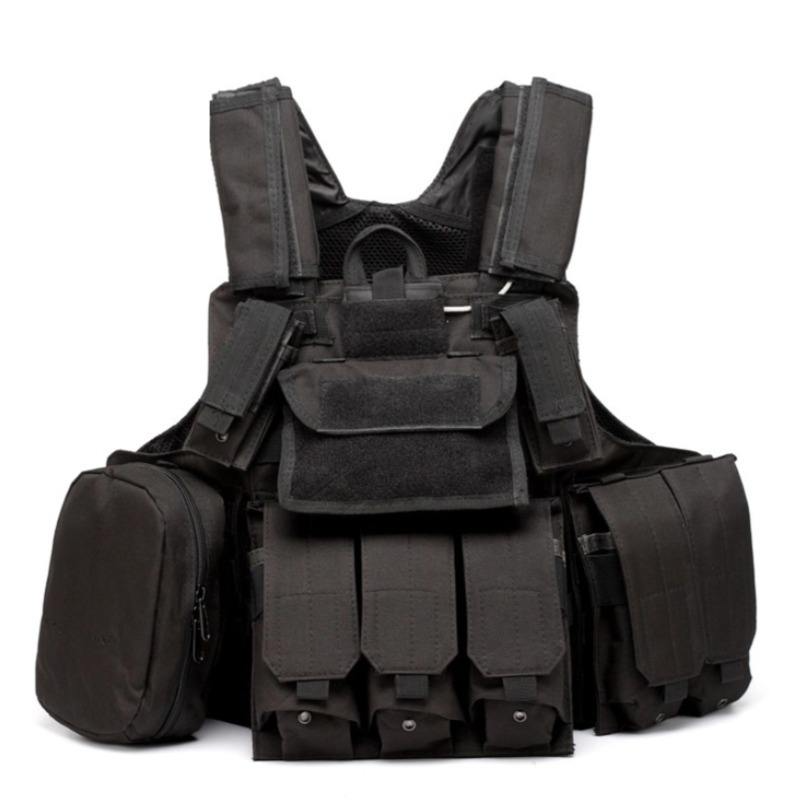
Ballistic Vest Standards exist to stop a purchase decision from resting on a photo and a promise. The details below show what a genuine standard demands, where counterfeit claims hide, and how a buyer can confirm protection before a life depends on it.
Why Ballistic Vest Standards Get Faked
A Police Tender That Nearly Bought Decoys
A regional procurement office shortlisted a low-cost carrier after a sales deck showed "Level IIIA" in bold. On arrival, the panels felt light and the stitching looked off. An independent lab test requested by a cautious inspector found the weave fell short of the claimed stop, and the certificate was a photocopy of another model. Ballistic Vest Standards mean nothing when the paper is borrowed and the panel is not the one tested, so the order was halted only because someone asked for raw data.
The Cost of a Missing Serial Number
Ballistic Vest Standards require traceable serialization, yet many rejected batches reach the market with blank tags. Every certified panel carries a serial and a matching test record. A vest without that link cannot be tied to the exact lot that passed, turning a compliant product into an unverifiable one the moment it leaves the factory. Departments that skip the check accept risk they cannot audit later, especially after years of field wear.
How a Real Standard Is Built and Tested
The NIJ 0101.06 Protocol
NIJ 0101.06 defines how panels are shot, conditioned, and measured for backface deformation, the blunt trauma a stopped round still transfers. Ballistic Vest Standards under this protocol require samples from production lots, not hand-picked prototypes. Conditioning for heat, moisture, and impact simulates field life before the shot is fired. A buyer who requests the NIJ compliance number and the laboratory name can verify the claim on the certifier's public list rather than trusting a stamp.
Threat Levels and What They Cover
Level IIA through IV map to specific projectile types and velocities. Ballistic Vest Standards do not rate a vest against a threat it was not built for, so a Level IIIA panel offers no proof against rifle rounds. ISO quality systems and ANSI traceability practices support the paperwork, but the threat level itself comes from the ballistic test. Specifiers must match the level to the documented risk, not to the highest number on the shelf.
Verification, Use, and Care That Keep Protection Honest
How to Confirm a Vest Before Purchase
Request the NIJ or equivalent certificate, the lab name, and the lot serial range. Cross-check the model number against the certifier database. Ballistic Vest Standards also expect a written statement of conformity from the maker, backed by production audits. A distributor that cannot produce the test lot record should not supply a force that depends on the panel. Sample one unit from a large delivered batch to an independent lab when volume is high.
Storage and Inspection in the Field
Panels degrade with UV, folding, and moisture. Inspect for hard spots, creases, or odor that signals foam breakdown, and store flat in a cool, dark space. NFPA and OSHA workplace guidance on protective gear reinforce routine checks, though body armor follows its own ballistic rules. Ballistic Vest Standards shape the field routine as much as the purchase, so the inspection log is not paperwork but proof. Document each check so a vest's service history is clear when retirement arrives, protecting both the wearer and the agency that issued it.
Ballistic Vest Standards protect only as far as the verification behind them. The near-miss tender showed that a borrowed certificate and a missing serial turn a rated panel into a liability. Demand the test lot, match the level to the threat, and inspect on schedule, and the protection stays real when it matters.
Frequently Asked Questions
What does NIJ 0101.06 actually test?
The protocol fires specified rounds at conditioned panels and measures penetration and backface deformation, the blunt force behind a stop. Samples come from production lots, not prototypes. A passing result means that exact model and lot met the threat, not a similar-looking product from the same brand line.
Can a Level IIIA vest stop rifle rounds?
No. Level IIIA covers most handgun threats but not rifles. Ballistic Vest Standards assign rifle protection to Level III and IV, which use rigid plates. Claiming IIIA against a rifle round is a mismatch that places the wearer in false confidence, so match the level to the documented threat.
How can a buyer verify a certificate?
Request the NIJ or equivalent compliance number, the testing laboratory, and the lot serial range, then cross-check against the certifier's public database. A legitimate maker provides the test lot record without hesitation. A distributor that cannot is a red flag worth pausing the order over before committing a fleet.
Do ballistic panels expire?
Panels age with UV, heat, moisture, and folding, and makers assign a service life, often around five years. Inspection for hard spots or creases guides retirement. Storing flat and cool slows breakdown. A vest past its condition check should leave service even if the date has not yet arrived on the label.
Are used vests safe to buy?
Used vests carry unknown history, prior impacts, and storage conditions that may have degraded the panel. Without a verifiable serial and inspection log, the protection cannot be confirmed. Most agencies avoid the secondhand market for that reason, favoring documented new issue with a clear service record from the start.
What is backface deformation?
Backface deformation is the bulge a stopped bullet pushes into the panel, which can bruise or break ribs even without penetration. Ballistic Vest Standards cap the allowed depth because blunt trauma is a real injury pathway. A low deformation number matters as much as a clean stop for wearer survival in the field.