
 EN
EN
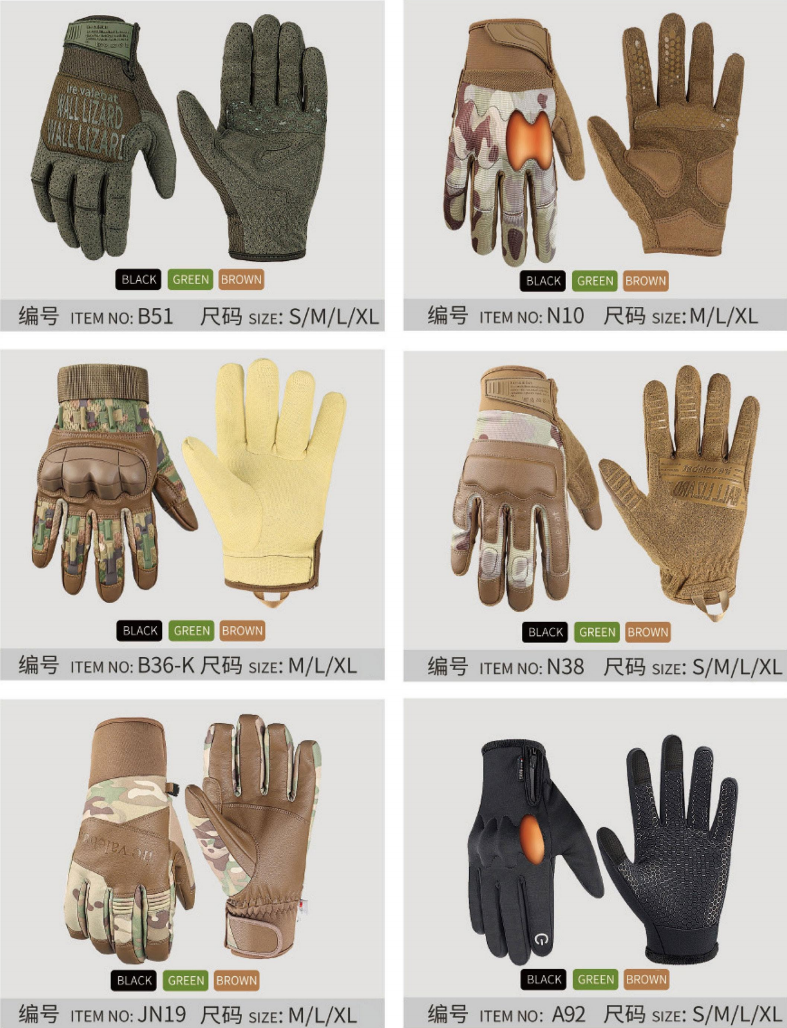
Industrial Protective Gloves sit at the front line of workplace safety, yet many buyers choose them by price and hope for the best. The sections below explain what separates a glove that protects from one that merely looks the part, and how to verify the claim before a hazard meets the hand.
Why Industrial Protective Gloves Fail on the Job
A Solvent Spill That Exposed a Rating Gap
A maintenance crew at a Midwestern chemical blending plant switched to Industrial Protective Gloves with a thin nitrile palm coat, assuming any "chemical glove" would do. During a routine valve greasing, a solvent splash soaked the coating within seconds. The liner degraded, the worker's skin reddened, and the shift stopped for a medical check. The root cause was a mismatched product: the glove carried a cut-resistance rating but no permeation data for that solvent. That incident cost a lost day, a replacement order, and a renewed look at how gloves get specified.
Cut Levels and Chemical Tests Measure Different Things
Industrial Protective Gloves that pass one mechanical test can still fail a chemical one. EN 388 scores cut, abrasion, tear, and puncture with mapped levels, while chemical protection relies on permeation and degradation tests under EN 374, where each chemical earns its own pass or fail. Industrial Protective Gloves rated only for dry handling fail the moment liquid arrives, because the two methods answer different questions about the same hand. A buyer who reads both panels avoids the gap that caught the blending plant.
How Glove Protection Is Built and Tested
Coating and Liner Materials
The liner does the cut work; the coating does the chemical and grip work. High-performance polyethylene and glass-fiber blends deliver cut scores up to level F under EN 388 while staying light. Nitrile and neoprene coatings resist oils, solvents, and many acids better than latex, which also carries allergy concerns. The trade is dexterity: thicker coatings protect more but dull the touch a technician needs for small fasteners. Industrial Protective Gloves built for cut resistance alone leave the hand exposed to splashes, so the right build pairs a cut-rated liner with a coating validated against the specific chemicals on site.
The ANSI/ISEA and EN 388 Ladders
ANSI/ISEA 105 and EN 388 give buyers a shared language. ANSI/ISEA 105 uses an A1 through A9 cut scale, while EN 388 maps coup-test and tomodynamometer results to levels A through F. Both require the rating on the glove label and the data sheet. NIOSH guidance on chemical selection reinforces that the written permeation time, not the catalog claim, should drive the purchase. Industrial Protective Gloves sourced through a compliant distributor carry both marks and the test report, turning a vague promise into a documented defense that an auditor can read.
Selection, Use, and Care That Hold Up
Matching the Glove to the Hazard
Start with the hazard inventory: which blades, which solvents, which contact times. Industrial Protective Gloves rated A4 with nitrile may suit metal handling with light oil, while a tank-cleaning task needs a laminate glove with documented permeation times. Sample testing on the actual chemical, at the actual temperature, beats a generic "chemical resistant" tag. Distributors that offer trial packs let a safety lead confirm fit and function before a bulk order, which lowers the chance of a costly mismatch across a whole crew.
Inspection and Replacement Rules
A glove is a consumable, not a lifetime tool. Industrial Protective Gloves treated as lifetime tools invite exactly the failure the blending plant saw, so inspect before each shift for tears, stiffening, or discoloration that signals coating fatigue. Replace at the first breach, and rotate stock so oldest pairs get used first. Documenting the inspection supports both compliance and supplier discussion. Proper storage away from direct sun and ozone extends shelf life, since UV and heat quietly break down elastomers.
Industrial Protective Gloves earn trust only when rating, material, and task line up. The blending-plant spill showed that a missing permeation number turns a compliant glove into a false comfort. Match the test data to the hazard, inspect without skipping, and the hands stay protected through the longest shift.
Frequently Asked Questions
What cut level do most industrial tasks need?
Light metal handling often lands at ANSI A3 to A4, while glass or sheet-steel work pushes toward A5 or A6. The right level follows the blade edge and force, not a default choice. A cut-rated glove alone says nothing about chemical safety, so pair the level with the coating suited to the liquids present on the floor.
Can one glove handle both cuts and chemicals?
Some nitrile-coated cut-resistant models cover light oil, abrasion, and moderate cut risk. Heavy solvent exposure still needs a dedicated chemical glove with permeation data. Combining both protections in one shell usually means a thicker build and some loss of feel, so weigh the task before assuming a single pair suffices for every contact.
How often should gloves be replaced?
Replace at the first sign of tear, hardening, or discoloration, and never reuse a glove after the documented permeation time has passed. Even unused stock ages on the shelf, so follow the manufacturer date and store cool and dark. A short inspection log makes replacement consistent across the team and easy to defend in an audit.
Are latex gloves safe for industrial use?
Latex offers good fit and elasticity but carries allergy risk and weaker solvent resistance than nitrile. Many sites have moved to nitrile or neoprene for that reason. Where latex remains, a documented allergy policy and readily available alternatives keep the workforce protected without slowing the line.
What does EN 388 level F mean?
Level F is the highest cut-resistance band under EN 388, indicating the liner withstood the highest force in the tomodynamometer test. It speaks only to cut and related mechanical risks, not chemicals, heat, or flames. Read the full pictogram rather than the single letter when specifying protection for a given task.
Do thicker gloves always protect better?
Not always. Thickness helps against abrasion and some chemicals but reduces dexterity and can increase hand fatigue over a long shift. The best protection is the thinnest glove that still meets the tested hazard levels, allowing the worker to keep it on instead of removing it for comfort mid-task.