
 EN
EN
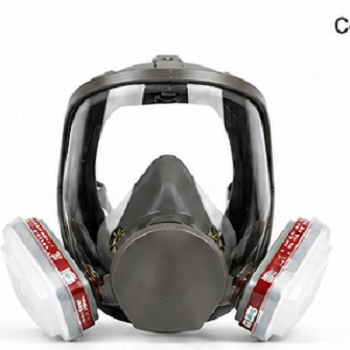
A Particulate Protective Mask earns its place only when a standard, not a slogan, backs the filtration number. The details below explain how rating, fit, and storage decide whether the wearer actually breathes clean air.
Why a Particulate Protective Mask Gets Misused
A Construction Crew That Trusted the Wrong Seal
A demolition crew bought a box of unrated dust masks after a supplier called them "N95 equivalent." On the job, fine silica dust still reached the workers because the masks leaked at the cheeks and carried no NIOSH stamp. A Particulate Protective Mask without certification protects the marketing budget, not the lungs. The crew switched to tested NIOSH N95 units with fit checks, and the respirable dust count dropped within a week of proper use.
Filtration Class and Fit Are Separate Tests
A high filtration score means nothing if the seal leaks. A Particulate Protective Mask passes filtration in a lab, but the face fit decides real-world protection and is tested separately. EN 149 grades FFP1 through FFP3 by filtration, while NIOSH assigns N95, N99, N100. Neither rating promises a good seal on every face, which is why fit testing sits alongside the class in any serious safety plan. A reusable elastomeric mask with replaceable filters offers another path for long shifts, since the seal is molded and the media swaps, though the bulk limits use where clear speech matters.
How the Mask Actually Filters
Media, Charge, and the Particle Size Trap
The filter media traps particles through mechanical sieving and electrostatic charge. A Particulate Protective Mask loses efficiency if the charge washes out through humidity or oil, which is why some classes are marked oil-resistant. The toughest particle to catch sits near the most penetrating size, around 0.3 microns, so a rating at that point covers the rest of the range. Understanding that trap prevents over-trust in a single number.
NIOSH and EN 149 Rating Ladders
NIOSH N95 filters at least 95% of airborne particles under 42 CFR 84, while N99 and N100 push higher. EN 149 FFP2 and FFP3 follow a similar logic with assigned leakage limits. A Particulate Protective Mask chosen by the local standard and the hazard beats a generic import with no traceable certifier. ISO and regional occupational rules point buyers to the correct class, but the stamp on the mask is the proof that matters at the checkpoint.
Selection, Fit, and Storage
Match the Class to the Hazard
Start with the contaminant and its concentration. A Particulate Protective Mask rated FFP2 may suit general dust, while asbestos or silica demands FFP3 or a powered respirator. Sample fit on the actual face, with the actual facial-hair policy in mind, because a perfect class fails on a poor seal. Distributors that provide fit-test kits help a safety lead confirm protection before a bulk order reaches the site.
Seal Checks and Shelf Life
A mask is only as good as the last seal check. Perform a user seal check before each wear, and discard a unit that no longer holds pressure. A Particulate Protective Mask stored in heat or sunlight degrades the strap and the charge, shortening shelf life even before opening. Rotate stock by date, keep packaging intact, and document the check so compliance and protection move together on every shift.
A Particulate Protective Mask protects only when rating, fit, and storage line up. The demolition crew's leak showed that an unrated mask is a false comfort, not a defense. Match the class to the hazard, test the seal, and respect the shelf life, and the air stays clean through the longest exposure.
Frequently Asked Questions
What does N95 actually filter?
NIOSH N95 filters at least 95% of airborne particles at the most penetrating size, around 0.3 microns, under 42 CFR 84. It is not oil-resistant unless marked R or P. A Particulate Protective Mask rated N95 protects against dust and many aerosols but is not a gas mask, so match it to particulate hazards only.
Is FFP2 the same as N95?
Close but not identical. EN 149 FFP2 filters about 94% with assigned leakage limits, while NIOSH N95 filters 95% by a different test. Both suit many dust and aerosol tasks. The right choice follows local regulation and the available certifier, not a casual assumption that the two are interchangeable in every jurisdiction.
How important is the face seal?
Decisive. A perfect filtration score fails if the mask leaks at the cheeks or nose. Fit testing and a user seal check before each wear decide real protection. Facial hair breaks the seal, so a clean-shaven policy or a hooded respirator keeps the barrier honest where silica or asbestos is present.
Can the mask be reused?
Disposable units are built for limited use and should be discarded when soiled, damaged, or hard to breathe through. Some models allow extended use under controlled programs, but a stretched strap or crushed media ends protection. Storage in a clean bag between wears helps, yet the disposable design sets the limit.
Do these masks filter gases?
No. A particulate filter traps solids and liquid aerosols, not vapors or gases. A Particulate Protective Mask rated N95 or FFP2 offers no defense against solvent fumes, which need a chemical cartridge respirator. Match the hazard class to the filter type, because particulate gear solves only the particle problem.
How long can a sealed mask be stored?
Unopened masks keep their charge and strap for several years when stored cool, dry, and away from sunlight. Check the date on the box and rotate stock so oldest ships first. A Particulate Protective Mask exposed to heat loses efficiency even unopened, so the storage condition decides the real shelf life.