
 EN
EN
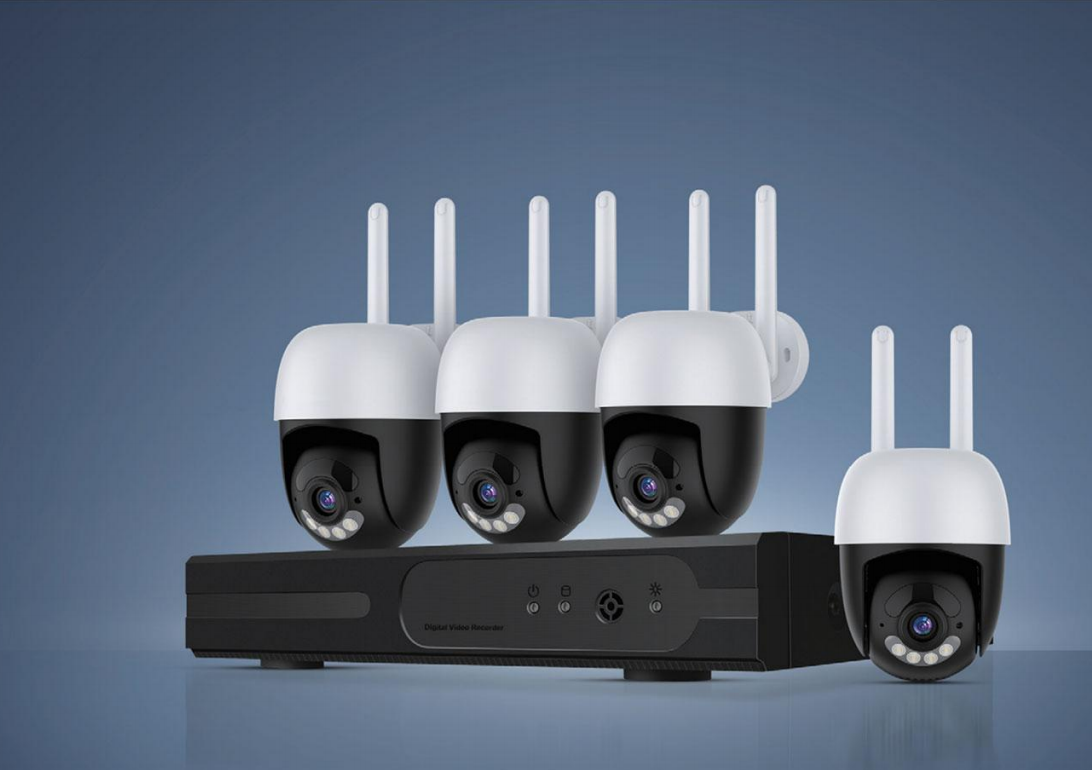
A reliable OEM camera manufacturer shapes the entire surveillance project, from sensor choice to the firmware that keeps devices secure after install. Custom builds promise a fit, yet the wrong partner creates compatibility gaps. Choosing the right manufacturing partner starts with the technical and compliance demands the deployment actually carries.
A Real Sourcing Case — Building a Camera Fleet Without Rework
Background & Problem: A Rollout Stalled on Compatibility
A regional retail chain planned a store-wide upgrade with custom cameras tuned to its loss-prevention needs. The first OEM camera manufacturer it engaged delivered units that spoke a proprietary protocol no existing video management system could ingest. Integration stalled and the pilot store missed its deadline.
Solution & Effect: Partnering With the Right OEM Camera Manufacturer
After a structured re-bid, the chain selected an OEM partner that published open ONVIF profiles and shared a firmware roadmap up front. Engineers validated two sample batches against the VMS before volume production. The revised pilot passed in weeks, and the full fleet rolled out with a documented support window that kept openings on schedule.
Why Manufacturer Choice Drives Project Risk
The Hidden Risk in Low-Control Sourcing
Low-control sourcing hides risk a spec sheet never shows. A factory without traceable component records can swap image sensors between batches, shifting low-light performance without notice. Without ISO 9001 discipline, firmware builds drift and security patches arrive late. The gap surfaces only after devices mount and a vulnerability or quality drift appears.
What a Weak Supply Chain Costs
A weak supply chain turns a hardware purchase into recurring cost. Beyond rework, non-compliant devices can trigger procurement holds under rules such as NDAA section 889. Retrofitting or replacing a deployed fleet costs far more than vetting the partner at the start. One operations lead described a recall that reversed a year of rollout gains.
How an OEM Camera Manufacturer Adds Value
Engineering Behind a Custom Build
An OEM camera manufacturer earns its role through engineering, not assembly alone. The build matches sensor and lens to the scene: a wide lobby needs different optics than a corridor. Housing, IR illumination, and thermal management follow the environment. The design logic keeps the bill of materials stable so each batch performs like the last, which field consistency requires.
Certifications and Compliance That Matter
Compliance separates durable partners from pop-up shops. ISO 9001 certifies the quality system; ISO/IEC 27001 covers how device software and data are secured. UL listing, an ANSI-accredited program, and FCC or CE marks prove electrical and emissions safety. For public-sector or federally funded sites, NDAA section 889 and TAA compliance decide eligibility. Verify the certificates, not the website claim.
Selecting, Validating, and Maintaining the Partnership
Vetting an OEM Camera Manufacturer
Start vetting by requesting audit evidence: the quality certificate, sample bills of materials, and a written firmware support term. Run a paid pilot on the exact VMS and network, then confirm spare-part lead times. Audit the line if volumes are large. A partner that shares test reports is easier to trust than one guarding every detail.
QA, Deployment, and Lifecycle Care
Quality does not end at shipment. Require incoming inspection data, burned-in sample results, and a clear RMA path before sign-off. During deployment, keep a configuration baseline and a spare pool sized to the pilot failure rate. Plan firmware updates through a staged rollout, and retire models after a documented replacement exists. A lifecycle plan keeps the fleet supportable for its full service life.
Summary
Building a surveillance fleet comes down to choosing an OEM camera manufacturer that pairs engineering depth with verifiable compliance, then validating the promise with a real pilot. The retail case shows that open standards and a written support term pay back in on-time rollouts. Treating the supplier as a long-term engineering partner protects both the budget and the security outcome.
FAQ
What should an OEM camera manufacturer provide up front?
A capable OEM camera manufacturer shares open protocol profiles, a firmware roadmap, and sample bills of materials before any volume order. These documents let the buyer validate integration with the existing VMS and confirm component stability. Requesting them early separates disciplined partners from those who only assemble to a price.
Why does ONVIF compliance matter for surveillance?
ONVIF defines a common interface so cameras from different vendors talk to a video management system without proprietary lock-in. An OEM camera manufacturer that publishes conformant profiles protects the buyer from dead-end integrations and eases future expansion. Without it, a fleet can become stranded on one platform and expensive to replace.
How can a buyer validate manufacturer quality?
Run a paid pilot on the exact VMS, network, and lighting, then review inspection data and burned-in results. Ask for the ISO 9001 certificate and audit evidence of component traceability. A transparent manufacturer welcomes this scrutiny, because the test reports confirm what the spec sheet only claims.
When should firmware support be confirmed?
Firmware support should be confirmed before signing, as a written term with a defined window and patch cadence. Surveillance devices face evolving threats, so late or absent patches leave a deployed fleet exposed. Tie the support period to the planned service life, and treat any vague answer as a reason to keep evaluating other suppliers.
Which certifications matter for public-sector camera projects?
Public-sector projects typically require NDAA section 889 and TAA compliance, plus UL listing and FCC or CE marks. ISO 9001 covers the quality system and ISO/IEC 27001 covers device security. The supplier should present current certificates, since eligibility often depends on proving them during procurement.
Can a small brand be a reliable manufacturer?
Yes, scale alone does not decide reliability. A smaller manufacturer can outperform a large one when it publishes open standards, shares test data, and commits to a written support term. The differentiator is engineering transparency and traceable quality, not headcount. Pilot evidence, not marketing size, should drive the final decision.
Table of Contents
- A Real Sourcing Case — Building a Camera Fleet Without Rework
- Why Manufacturer Choice Drives Project Risk
- How an OEM Camera Manufacturer Adds Value
- Selecting, Validating, and Maintaining the Partnership
- Summary
-
FAQ
- What should an OEM camera manufacturer provide up front?
- Why does ONVIF compliance matter for surveillance?
- How can a buyer validate manufacturer quality?
- When should firmware support be confirmed?
- Which certifications matter for public-sector camera projects?
- Can a small brand be a reliable manufacturer?