
 EN
EN
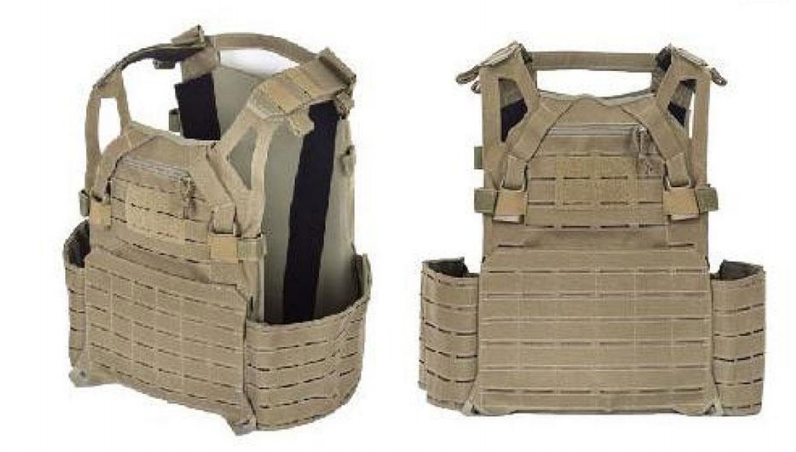
The range of ballistic armor types splits into two families that protect in different ways. Hard plates stop rifle rounds, while soft armor uses aramid or UHMWPE to catch handgun threats. Choosing the right protection starts with the threat an assignment actually presents.
A Real Deployment Case — Re-Evaluating Protection on a Transit Contract
Background & Problem: A Security Team Faced an Unclear Threat Picture
A regional transit authority ran armed patrols where handgun theft and knife assaults dominated, yet the team carried mixed, outdated ballistic armor types from an earlier contract. Supervisors could not confirm which plates met a current rifle-threat expectation and which covered only handgun rounds. The mismatch caused hesitation.
Solution & Effect: Matching Ballistic Armor Types to the Assignment
A protective-equipment review mapped each post to its realistic threat. Station patrols standardized on soft armor rated for common handgun rounds, while a smaller rapid-response group adopted hard rifle plates for higher-risk intercepts. Procurement tracked every serial against the NIJ label. Within the next audit, the agency documented full accountability, since officers wore armor matched to the task.
Why the Wrong Choice Raises Risk
Hard vs. Soft: The Protection Trade-Off
Hard and soft ballistic armor types solve opposite problems. Soft panels keep weight low and mobility high, which extends wear time on long foot patrols. Hard plates defeat high-velocity rounds but add fatigue and restrict movement. Picking the wrong side leaves a team under-protected against rifles or too weighed-down to respond.
The Cost of a Mismatched Rating
A vest rated below the encountered threat offers little more than confidence. Beyond the human cost, a recorded failure triggers documentation under OSHA 1910.132 expectations for PPE and pulls program owners into review. One security director described a near-miss that forced a costly full reissue.
How Ballistic Armor Works
Material Science Behind the Plates
Soft armor layers aramid or UHMWPE into a woven web that catches and spreads a projectile’s energy before it penetrates. Hard armor adds a ceramic or steel face that shatters the round, backed by aramid to catch fragments. The design rewards density and layup order, since too much weight means no one will wear the panel.
Reading NIJ and Supporting Standards
NIJ Standard 0101.07 defines the test regime most buyers reference, replacing older levels with both families. ISO 9001 governs the manufacturer’s quality system, while ISO 17025 accredits the lab that proves performance. ANSI-accredited facilities and NFPA-aligned gear matter when armor is worn inside firefighting or EMS response, where NFPA 1977 and 1971 apply.
Selecting, Inspecting, and Maintaining Armor
Matching Armor to the Mission
Start the selection by writing the threat profile, then choose among ballistic armor types that meet it with the least burden. Urban foot patrol may need only soft panels; convoy or intercept duties call for hard plates. Fit-test on the actual wearer, because a correct rating means nothing if the panel sits off the vital zone.
Inspection, Care, and Service Life
Ballistic armor types degrade even without use. Inspect carriers for torn stitching, compressed foam, and moisture damage each shift, and check inserts for cracks or delamination. Most soft armor carries a conservative service life, but any impact or submersion warrants removal from service. A simple log turns shelf life from guesswork into a controlled program.
Summary
Protecting a team comes down to matching ballistic armor types to the real threat, confirming the NIJ rating and the issuer’s certifications, and running a basic inspection routine. The transit case shows that a written threat assessment pays back in accountability and wearer compliance. Treating armor as engineered protection rather than a uniform item keeps both officers and the program audit-ready.
FAQ
What ballistic armor types exist for patrol use?
Patrol programs usually choose between soft armor panels and hard rifle plates. Soft vests cover common handgun and knife threats with low weight, while ceramic or steel inserts defeat rifle rounds at the cost of mobility. The correct choice follows the posted threat, so map each assignment before specifying ballistic armor types for issue.
Why does NIJ rating matter more than thickness?
The NIJ Standard 0101.07 test measures whether armor stops defined rounds under set conditions, which thickness alone cannot prove. A thick panel may still fail a stated threat if the layup is wrong. Procurement should require the NIJ label and the test lab’s accreditation, because the rating, not the appearance, defines the protection the wearer receives.
How should body armor be inspected?
Check the carrier each shift for torn stitching, hardened foam, and moisture stains, and inspect inserts for cracks or delamination. Any plate that took a hit, dropped hard, or sat submerged must leave service. Keeping a serial-to-wearer log and a fixed inspection day turns armor checks into a routine that catches failure before it reaches the field.
When should armor be replaced?
Replacement follows the manufacturer’s stated service life and any damaging event. Heat, humidity, and compression shorten real-world life even when the date looks valid. Treat a hard impact, a deep crease, or sustained submersion as immediate retirement. Logging issue and inspection dates per wearer keeps the fleet inside its safe window and ready for audit.
Which ballistic armor types suit urban patrols?
Most urban foot patrols operate with soft armor rated for the handgun threats they face, since it preserves mobility across long shifts. Hard plates suit rapid-response or intercept units facing rifle risk. The split should track the written threat assessment, so each post carries ballistic armor types matched to its actual exposure.
Can soft armor stop rifle rounds?
No. Soft armor is engineered for handgun and fragmentation threats and will not defeat high-velocity rifle rounds. Stopping rifles requires hard ceramic or steel plates built for that energy. Wearing soft panels against a rifle threat leaves a dangerous gap, so the mission profile must drive the choice between ballistic armor types rather than comfort alone.