
 EN
EN
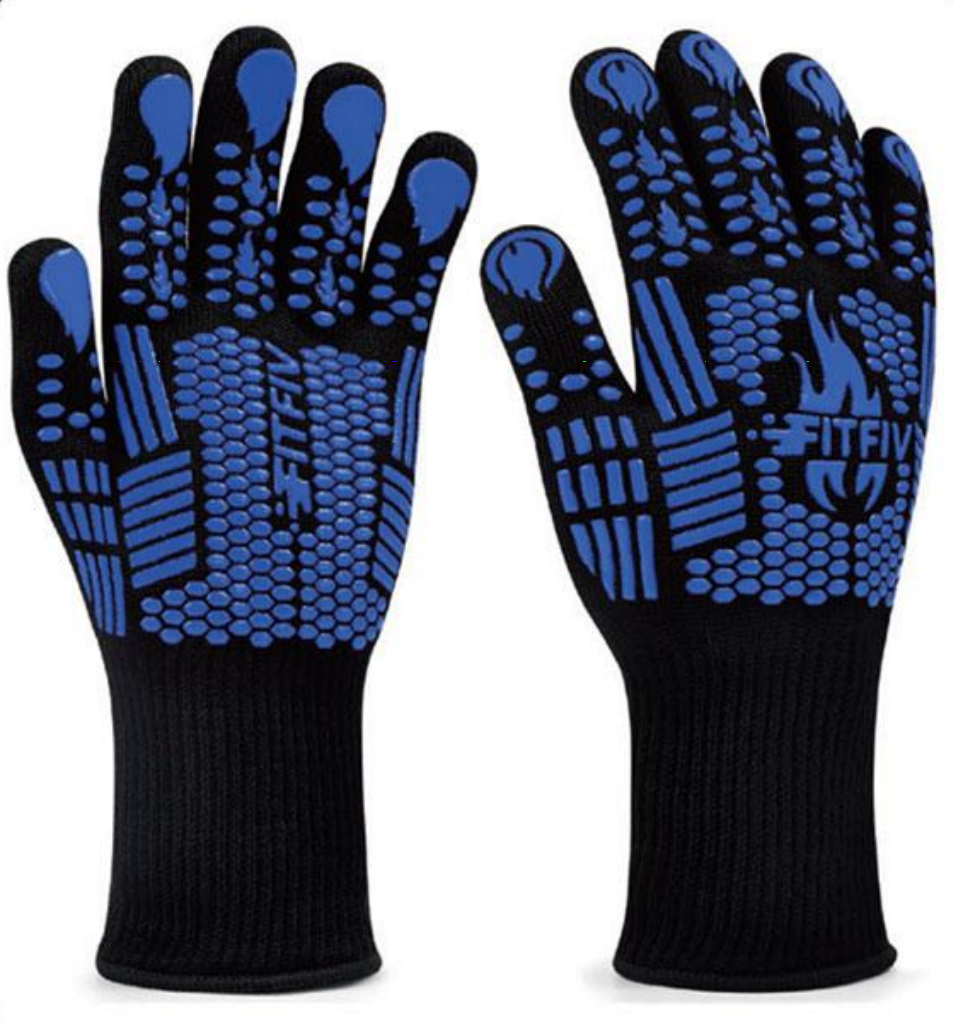
Handling heavy machinery exposes workers to sharp edges, spinning blades, and sheet-metal burrs that ordinary gloves cannot stop. Selecting the right cut resistant gloves is the most practical step a fabrication shop can take to prevent hand injuries before they happen.
A Shop-Floor Case — When Standard Gloves Failed
Background & Problem: Lacerations on a Metal Stamping Line
A regional fabricator on a 250-ton stamping press faced a problem cotton and leather gloves never solved. Operators loading coated steel blanks met edges sharp enough to draw blood in one shift, a risk that ordinary cotton gloves — not purpose-built cut resistant gloves — never addressed. Eighteen months brought nine laceration incidents needing care, three sidelining skilled operators.
Solution & Effect: Specifying by Cut Level
The safety lead mapped glove performance to each hazard. Loading needed protection from incidental burr contact; deburring faced continuous sliding contact. After a trial, the team standardized on ANSI/ISEA A4-rated cut resistant gloves with a polyurethane palm for loading and A5-rated nitrile-coated gloves for deburring. In six months incidents dropped to zero, and grip on oily blanks improved. Hand protection became routine.
Why Hand Injuries Happen and What They Cost
Cut Hazards Around Heavy Machinery
Most hand injuries near heavy machinery are repeatable cuts from stamped edges, band saw blades, angle grinders, and broken glass. Tasks like metal stamping, glass handling, and sheet loading press sharp profiles against the hand in ways that defeat cotton and thin leather. A glove rated only for abrasion still slices across a burr.
The Hidden Cost of a Single Laceration
A laceration that seems minor carries a long tail. Beyond first aid, a recordable injury triggers documentation under OSHA 29 CFR 1904, pulls a supervisor into review, and often halts the line for a stand-down. One manager estimated a single ER cut cost ten times a year of proper hand protection. The math favors prevention.
How Cut-Resistant Gloves Work
Fiber Science and Coating Logic
Modern cut resistant gloves rely on engineered yarns, not thick leather. High-performance polyethylene, or HPPE, is spun with glass fiber or steel filament to build a lattice that blunts a blade instead of parting. The palm coating governs grip and abrasion resistance: polyurethane suits dry precision, nitrile foam excels on oily surfaces. Higher knit gauge means a thinner, more tactile glove.
Reading ANSI/ISEA and EN 388 Cut Levels
Two rating systems dominate procurement of cut resistant gloves. ANSI/ISEA 105 defines levels A1 through A9 by cut-through force. Europe uses EN 388, where the coupe test scores 1-to-5 and the ISO 13997 straight-blade test reports a Newton value (TDM). ISO 21420 sets baseline requirements; NFPA guidance matters when cut tasks overlap heat.
Choosing, Inspecting, and Maintaining Cut-Resistant Gloves
Matching Gloves to the Task
Start with the hazard map for cut resistant gloves. Light alloy trimming may need A2 or A3, while stainless sheet and glass handling usually call for A4 to A6. Consider the secondary hazard: oily grip points to nitrile, cold storage to insulated liners. Always fit-test on real operators, since a loose glove defeats the rating.
Inspection, Care, and Replacement
Cut resistant gloves are not indestructible. Inspect before each shift for tears, embedded metal, and worn coating across the palm and fingertips. Wash with mild detergent and never tumble-dry at high heat. Replace the moment coating balls up or a cut reaches the inner liner. A disciplined inspection habit keeps protection honest.
Summary
Preventing hand injuries around heavy machinery comes down to matching the right cut resistant gloves to the real task hazard, verifying the ANSI/ISEA or EN 388 level, and building a simple inspection routine. The fabricator’s experience shows a measured upgrade pays back in fewer incidents. Treating hand protection as engineering rather than commodity spend protects both people and production.
FAQ
What cut level do heavy machinery tasks require?
Most metal stamping, sheet loading, and glass handling tasks land between ANSI/ISEA A4 and A6. Lighter trimming may sit at A2 or A3, while continuous stainless contact pushes toward A5 or A6. The correct level follows the measured hazard, so map each task before ordering cut resistant gloves.
Why does coating matter as much as the cut rating?
The cut rating stops the blade, but the coating decides whether the hand slips. Polyurethane suits dry precision, nitrile foam grips oily parts, latex handles wet surfaces. A glove that loses grip forces harder pressure, raising cut and crush risk. Coating and cut level must be chosen together for safe, steady work.
How should cut resistant gloves be inspected?
Check each glove before the shift for tears, embedded debris, and coating wear across the palm and fingertips. Any cut reaching the inner liner means immediate replacement. Mild detergent washing and air drying preserve the engineered yarns. A two-minute routine prevents a failed glove from reaching the machine floor.
When should gloves be replaced?
Replace at the first sign of coating breakdown, thinning at the fingertips, or any slice through to the liner. There is no fixed calendar date; service life depends on task intensity and abrasion. Daily sharp-edge handlers may cycle pairs in weeks, light users longer. Track replacements by station so busy lines get fresh stock first.
Which standard applies to your facility?
North American buyers follow ANSI/ISEA 105 and OSHA 29 CFR 1910.138. European and export programs reference EN 388 with the ISO 13997 TDM result, plus ISO 21420 baseline requirements. Mixed sites verify both marks so gloves clear audits either side of the supply chain. Confirming the standard up front prevents costly reorders.
Can cut resistant gloves stop every hand injury?
No. They reduce laceration risk from sharp edges and blades but do not replace machine guarding, lockout procedures, or crush protection. Treat gloves as one layer in a broader safety system built on OSHA requirements and task design. Pairing proper hand protection with engineered controls delivers the strongest real-world result.